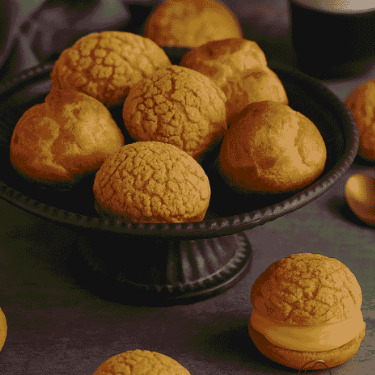
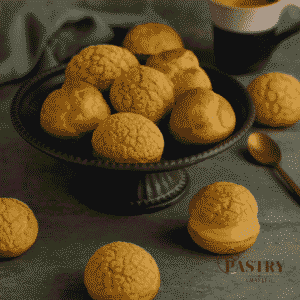
Choux Pastry (Pâte à Choux) with Craquelin
The Foundation of French Pastry: Introduction to Pâte à Choux
If Shortcrust is the foundation of tarts, Pâte à Choux (Choux Pastry) is the foundation of structure. It is the only pastry dough that is cooked twice: first on the stove (to dry the flour) and second in the oven (to rise). This unique process creates a hollow shell capable of holding pastry cream, ganache, or praline.This masterclass pairs the classic choux with Craquelin—a simple dough of butter, sugar, and flour placed on top before baking. In modern pâtisserie, craquelin is non-negotiable. It acts as a "weight" that forces the choux to rise evenly (preventing misshapen explosions) and adds a crunchy, sugary texture that contrasts with the soft, egg-rich shell. Whether you are making simple Chouquettes, majestic Éclairs, or the intricate Paris-Brest, this recipe is your blueprint.Ingredients
Craquelin Crispy Topping
- 82 g unsalted butter
- 100 g brown sugar
- 100 g all-purpose flour
Choux Pastry
- 110 g whole milk
- 110 g water
- 100 g unsalted butter diced
- 120 g all-purpose flour
- 4 g sugar
- 1 pinch of salt
- 4 eggs approx. 220 g total
Mastering Textures and Flavors📗 Download your PDF now!
Instructions
Step 1: Prepare the Craquelin (optional but recommended)
- In a mixing bowl, combine the butter, brown sugar, and flour. Mix by hand until a uniform dough forms.
- Place the dough between two sheets of baking paper to prevent sticking.
- Using 1.5 mm thickness rulers (biscuit bars) as guides, roll the dough evenly with a rolling pin.
- Transfer the rolled dough (still sandwiched in baking paper) to the freezer while you prepare the choux dough.
💡 Why use craquelin?
- It helps choux puff up evenly and gives a crisp, aesthetic finish. You’ll notice a clear difference when baking with or without it.
Step 2: Prepare the Choux Pastry
- Preheat your oven to 180°C (convection/fan-assisted).
- In a medium saucepan, combine the milk, water, butter, salt, and sugar. Bring to a boil over medium heat.
- Remove from the heat and immediately add the flour. Stir vigorously with a spatula until a dough forms.
- Return the pan to medium heat and cook for about 2 minutes, stirring constantly, until the dough dries out slightly and pulls away from the sides. A thin film will form at the bottom of the pan.
- Transfer the dough to a stand mixer fitted with the paddle (K-beater) attachment. Mix on low speed for 2 minutes to cool the mixture slightly.
- Lightly beat the eggs and add them in 4 portions, mixing well after each addition.
- The final dough should be smooth, shiny, and pipeable.
Notes
The Science of Ingredients: Steam and Starch
Choux pastry defies the rules of normal baking. There is no yeast and no baking powder. How does it rise?1. The "Panade" (Gelatinized Starch)
The process begins by boiling liquid and fat, then dumping in flour.- The Science: By adding flour to boiling liquid, you are instantly gelatinizing the starch. The starch granules swell and burst, absorbing the water. This allows the dough to hold a massive amount of hydration (eggs) later on without becoming a liquid batter. This cooked paste is called the Panade. Drying it out on the stove reduces the water content so you can replace it with fat and protein (eggs).
2. Steam (The Mechanical Leavener)
- The Science: Because the dough is so high in moisture, when it hits the hot oven (180°C+), that water turns to steam instantly. The steam expands, pushing the dough outwards. Because the gluten in the flour was stretched during the mixing process, the dough creates an elastic balloon that traps this steam.
3. Eggs (Structure and Emulsion)
Eggs are added one by one after the dough cools.- The Science: Eggs provide the proteins that coagulate (set) in the oven to hold the shape once the steam dissipates. If you don't bake it long enough to set these proteins rigid, the puff collapses when removed from the oven. The yolk also acts as an emulsifier, binding the butter and water into a smooth, glossy dough.
4. Milk vs. Water (The 50/50 Ratio)
This recipe uses 110g Milk and 110g Water.ce: This powder coe- Water: Evaporates faster, creating a crisper crust.
- Milk: Contains lactose (sugar) and proteins, which promote browning (Maillard reaction) and a tender interior.
- 50/50 Mix: The perfect compromise—crisp enough to hold shape, tender enough to eat, with a beautiful golden color.
-
The Science: achieve consistent, round puffs, specific tools are required.
- Perforatedbumin) Mat ("Air Mat") &increases the protein-to- Choux needs heat from all sides to rise. A solid silicone mat can leave the bottom concave or soggy. A perforated mesh mat allows hot air to hit the bottom of the puff, creating a flat, crisp base that doesn't cave in.you nen't get soggy as quickly when filled with the wet compote.
-
Silicone Sphere Molds (Micro)
- Why you need it: You need 2.5cm molds for the praline and passionfruit inserts. Freezing these liquid components into solid spheres is the only way to insert them into the choux and chantilly cleanly. You cannot spoon these fillings in; they must be frozen solids during assembly.
-
Stand Mixer with Paddle Attachment
- Why you need it: For the Choux and Craquelin. After cooking the flour paste (panade), you must cool it down before adding eggs. Doing this by hand is exhausting and inconsistent. The paddle attachment cools the dough evenly to 45°C, ensuring the eggs emulsify rather than scramble.
-
Vacuum Sealer
- Why you need it: For the Banana Compote. Bananas oxidize (turn brown/grey) instantly when cut. Vacuum sealing the diced bananas with the caramel and rum removes the oxygen, keeping the fruit bright yellow and forcing the marinade deep into the fruit cells (osmotic infusion).
Expert Tips and Success Hacks
Managing 9 components requires strategy. Here is how to succeed.1. The "Cold Infusion" Secret
The recipe calls for infusing Earl Grey in cold cream for 24-48 hours.- The Hack: Never boil tea leaves in cream if you want a delicate flavor. Boiling extracts tannins, which taste bitter and astringent. Cold infusion extracts only the volatile aromatic oils (bergamot) and floral notes, resulting in a chantilly that smells like tea but tastes like sweet cream.
2. Drying the Choux
A soggy puff collapses under the weight of the macaron.- The Hack: After the baking time is up, turn the oven off, crack the door slightly (stick a wooden spoon in the door), and let the choux sit for 15-20 minutes. This dries out the internal steam. When you remove them, they should feel light as a feather and sound hollow when tapped.
3. The Macaron "Skin"
The Zumbaron shells need a skin before baking.- The Hack: After piping the macarons, let them stand at room temperature for 30-60 minutes until you can touch the surface without sticky batter coming off on your finger. This dried skin forces the air to push up during baking (creating the "feet") rather than exploding out the top (cracking).
4. Sesame Praline Texture
Praline can be gritty.- The Hack: Sesame seeds are small and hard. When blending the praline, be patient. Blend in short bursts to avoid overheating the oil, but keep going until the paste is almost liquid. If it's too thick to pipe into the micro-molds, add a teaspoon of grapeseed oil to loosen it.
5. Assembly Order
Do not assemble until the last minute.-
The Hack:
- Day 1: Make inserts (Praline, Passionfruit), Compote base, and Infuse cream. Bake Craquelin & Choux. Store choux in airtight box.
- Day 2: Make Caramel, Whip Chantilly, Bake Macarons.
- Service: Assemble. If you fill the choux too early, the moisture from the compote will destroy the crisp craquelin within 4 hours.
Frequently Asked Questions (FAQ)
Q1: Can I substitute the Gelcrem Cold? A: If you cannot find modified potato starch, you can use Instant Clearjel. In a pinch, you can use regular cornstarch, but you must cook the fruit purees to activate it, which will change the flavor profile from fresh to "jammy." Q2: My choux pastry is too runny/flat. Why? A: You likely added too many eggs or added them too fast. The amount of egg in choux is variable depending on how much you dried out the flour paste. Stop adding eggs when the batter forms a "V" shape when dripping off the paddle. If it's liquid, it's ruined—start over. Q3: Can I skip the licorice? A: Yes, but the licorice adds a specific "anise" note that cuts the richness of the caramel and white chocolate. If omitting, consider increasing the sea salt slightly or adding a pinch of Star Anise spice to the caramel for a similar depth. Q4: How do I temper the chocolate discs without a marble slab? A: Use the "Seeding Method." Melt 2/3 of your chocolate to 45°C. Remove from heat and stir in the remaining 1/3 solid chocolate. Stir until the temperature drops to 28-29°C and all chunks are melted. Briefly heat back up to 31-32°C to use. Q5: Why did my Caramel separate/split? A: Salted butter caramel often splits if the butter is added when the caramel is too hot. Cool the caramel syrup to 45°C (warm, not boiling) before emulsifying in the butter and hazelnut paste. If it splits, use an immersion blender to force it back together.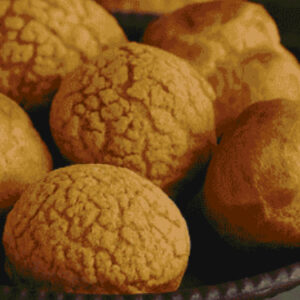
Tried this recipe?Let us know how it was!

I’m Chef Mimo, a passionate pastry chef with over 17 years of experience in the world of fine desserts. I specialize in French-style entremets, refined cakes, and creative chocolate work. Pastry is not just my profession—it’s my lifelong passion. Through PastryCrafted.com, I love sharing my recipes, techniques, and inspirations with anyone who dreams of mastering the art of pastry. Whether you’re a curious beginner or a seasoned pro, you’re welcome in my sweet world.